 By

More than 18,300 members of the first Agnipath batch were due to leave the armed forces by December 31. The extension gives them the option to stay on in uniform.
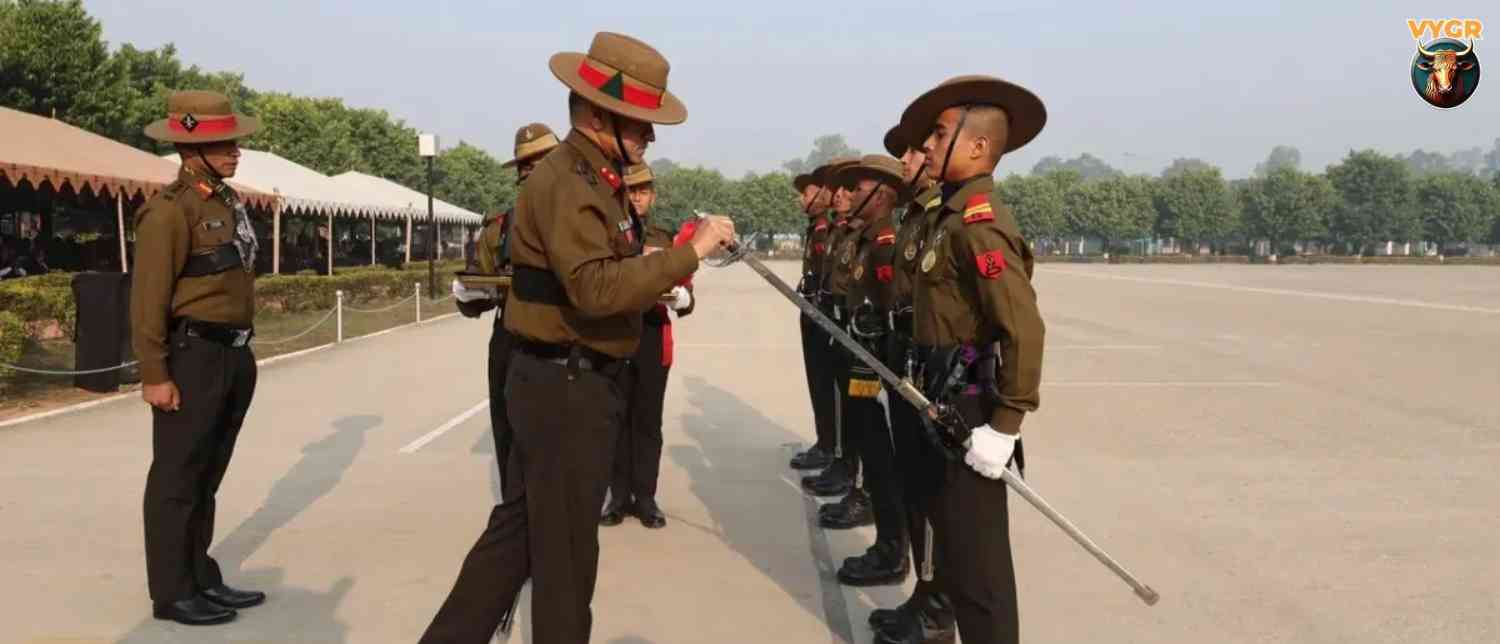
New Delhi: The Agnipath scheme’s first batch will get two more years in uniform. Chief of Defence Staff General N.S. Raja Subramani has announced a two-year extension of service for Agniveers, a change that comes just weeks before the first cohort was due to finish its four-year contract.
It is one of the biggest adjustments to the military’s recruitment model since it was introduced in 2022.
Who is affected
About 18,300 Agniveers from the first batch were scheduled to leave the forces by the end of the year, with the exits staggered by service. The Navy’s inaugural cohort completes its tenure on November 21, the Air Force’s on December 21 and the Army’s on December 31. The Army alone accounts for roughly 19,000 in the first intake, according to defence officials.
Officials say the decision reflects the services’ satisfaction with the Agniveers’ performance across a range of roles. They also say that taking up the extension will be entirely the individual’s choice.
What we still don’t know
The announcement left several practical questions open. The detailed terms, including eligibility, the number of Agniveers to be covered in each service, and pay and benefits during the extra two years, were not immediately available. It is also unclear whether every member of the batch is covered or only those selected, since officials have described the extension in different ways. At the time of writing, no formal Defence Ministry notification had been issued.
That matters for the Agniveers themselves. Many of them have spent months planning for civilian life, and the answers will decide whether the extension is a real second chance or a limited pilot.
How the scheme works
Under Agnipath, launched in June 2022, recruits join for four years. The period includes about six months of training and three and a half years of deployment. At the end, up to 25% of each batch can be retained in regular service for another 15 years, while the rest leave with a one-time financial package. Before the scheme, soldiers typically served 15 years or more with a lifelong pension.
The government’s case was that the model would lower the average age of the forces and keep them fit and combat-ready. Critics have questioned the impact on tenure, benefits and unit cohesion for personnel below officer rank, and what happens to the 75% who leave. The scheme has been a political issue since the day it was announced and sparked violent protests in 2022, after which the government raised the upper age limit for that year’s recruits to 23.
Why it matters now
The timing is not accidental. The first batch is the first real test of the scheme’s design. How the services handle the transition will shape how young people see military careers, and how the next cohorts view a four-year contract.
The extension also gives the services a way to hold on to trained personnel at a time when they are managing several operational demands. For the Agniveers, it offers two more years of income and experience, though it does not answer the question of what comes after.
What to watch
The key developments to follow are the formal government notification, the eligibility criteria for the extension, and how many Agniveers choose to take it. Another is whether the 25% permanent-retention process continues alongside it. The Navy’s first exits are due on November 21, which gives the government little time to explain the rules.
© Copyright 2026. All Rights Reserved. Powered by Vygr Media.