

 By
By 
In a significant development in India’s long-running debate over stray dog management, the Supreme Court has ruled that rabid and dangerously aggressive stray dogs may be euthanised if they pose a threat to human life. The court also made it clear that officials acting in good faith while dealing with such cases should not face criminal prosecution or FIRs.
The observations came during hearings related to the growing stray dog crisis across several parts of the country, particularly in urban areas where repeated incidents of dog bites, rabies infections, and attacks on children and elderly citizens have triggered public outrage. The apex court stressed that while animal welfare remains important, the right of citizens to safety and life under Article 21 of the Constitution cannot be compromised.
The bench noted that authorities cannot “ignore dog bites” and highlighted the alarming rise in incidents involving aggressive stray dogs. According to reports placed before the court, multiple states have failed to implement sustained sterilisation, vaccination, and rehabilitation programmes under the Animal Birth Control (ABC) Rules.
The Supreme Court’s latest stance marks a crucial shift in the legal conversation surrounding stray dogs in India. For years, courts largely emphasised protection and humane treatment of animals, often restraining indiscriminate culling drives. However, the recent hearings show increasing judicial concern about public safety and administrative inaction.
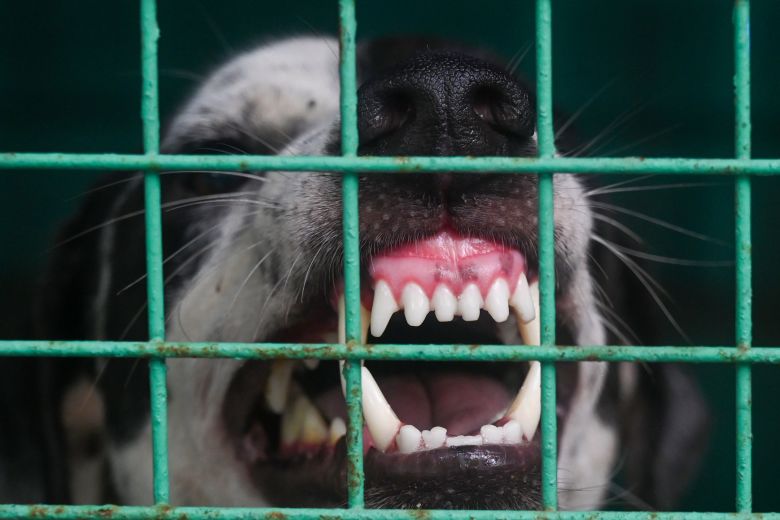
Court Permits Euthanasia in Extreme Cases
The court clarified that euthanasia can only be considered for dogs suffering from rabies or exhibiting uncontrollable violent behaviour that endangers human life. The judges emphasised that the move is not a blanket approval for mass killing of stray dogs, but a narrowly tailored measure for exceptional situations.
The bench observed that civic authorities and officials handling such animals in good faith should not face harassment through police complaints or legal action. This observation came after submissions that municipal workers and veterinarians often hesitate to act against dangerous dogs due to fear of litigation from animal rights groups.
The court also reiterated that rabid dogs pose a severe public health threat, particularly because rabies remains almost always fatal once symptoms develop. The judges acknowledged that authorities must sometimes take urgent decisions to protect residents, especially children and elderly people vulnerable to attacks.
Rising Dog Bite Cases Trigger Judicial Concern
The Supreme Court has been hearing multiple petitions concerning the stray dog menace over the past year. During earlier hearings, the bench sharply criticised state governments and municipal bodies for decades of inaction.
In January 2026, the court warned that it may impose “heavy compensation” on states in every case involving deaths or serious injuries caused by stray dogs. Justice Vikram Nath reportedly observed that authorities had failed citizens for “75 years” by not controlling stray populations effectively.
The court also discussed fixing accountability not only on local authorities but potentially on individuals feeding stray dogs irresponsibly in public areas if such actions contributed to attacks.
The issue gained urgency after several highly publicised cases of dog attacks in Delhi-NCR and other cities. Earlier this year, the Supreme Court directed authorities to remove stray dogs from hospitals, schools, colleges, railway stations, and bus stands, calling such spaces particularly sensitive for public safety.
The apex court has also instructed Delhi-NCR authorities to create shelters, establish rapid-response mechanisms for dog bite incidents, and strengthen vaccination programmes.
Balancing Animal Welfare and Human Rights
The legal debate over stray dogs in India has long revolved around balancing compassion for animals with public safety concerns.
The Supreme Court itself has historically protected stray dogs from indiscriminate killings. In a 2017 hearing concerning Kerala, the court famously remarked that stray dogs “have a right to live” and cannot all be killed merely because attacks occur in some areas.
However, the latest observations indicate the court is now drawing a sharper distinction between healthy strays and animals that are rabid or dangerously aggressive.
The judges underlined that humane treatment does not mean authorities should remain helpless in the face of repeated attacks. They stressed that public institutions such as schools and hospitals cannot become unsafe due to administrative paralysis or fear of legal backlash.
What the ABC Rules Say
The Animal Birth Control (ABC) Rules form the backbone of India’s stray dog management framework. These rules focus on sterilisation, vaccination, and release of dogs back into their original territories after treatment.
Under the rules, indiscriminate killing of stray dogs is prohibited. Municipal bodies are expected to conduct sterilisation drives and vaccinate dogs against rabies to gradually control populations.
In August 2025, the Supreme Court modified an earlier direction concerning stray dogs in Delhi-NCR. The court held that vaccinated and sterilised dogs should generally be released back into their territories after treatment. However, it created an exception for aggressive or rabies-infected dogs, stating that such animals need not be released.
That modification laid the groundwork for the present ruling permitting euthanasia in specific cases involving dangerous animals.
Legal experts say the latest order attempts to reconcile animal welfare laws with the state’s obligation to ensure public safety. The court appears to be signalling that humane treatment and public protection must coexist rather than function as competing absolutes.
Fear of FIRs Among Officials
One of the major concerns highlighted before the Supreme Court was the reluctance of civic officials and veterinarians to take action against dangerous dogs due to fear of criminal complaints.
Animal welfare activists frequently challenge municipal actions in courts and police stations, leading many officials to avoid dealing with aggressive animals altogether. The Supreme Court acknowledged this concern and stated that officers acting honestly and within the law should not face FIRs merely for carrying out necessary measures.
This protection, however, is limited to actions taken “in good faith,” indicating that arbitrary or cruel treatment would still remain punishable under animal cruelty laws.
India’s Rabies Burden
India continues to account for a significant percentage of global rabies deaths, with stray dog bites remaining the primary source of infection. Public health experts have repeatedly warned that weak sterilisation coverage, inadequate vaccination drives, and poor waste management contribute heavily to the growth of stray dog populations.
The Supreme Court’s repeated interventions suggest growing frustration with the lack of coordinated action among states and municipal corporations. The bench has repeatedly remarked that authorities have failed to implement long-term solutions despite recurring crises.
Wider Legal and Social Debate
The stray dog issue has evolved into one of India’s most emotionally charged public policy debates, sharply dividing animal rights groups and residents demanding safer neighbourhoods.
Animal welfare organisations argue that violence against stray dogs often stems from poor implementation of sterilisation programmes rather than the animals themselves. They maintain that properly vaccinated and sterilised dogs are less aggressive and help prevent new unvaccinated dogs from entering territories.
On the other hand, residents’ groups in several cities have argued that unchecked stray populations have made streets unsafe, especially for children, cyclists, elderly citizens, and delivery workers.
The Supreme Court’s latest observations appear to attempt a middle path — reaffirming protection for healthy stray dogs while allowing authorities to eliminate animals posing immediate danger to human life.
As hearings continue, the court is expected to further examine implementation gaps in the ABC Rules, state accountability, and long-term mechanisms to address India’s stray dog crisis without compromising either public safety or animal welfare.
With inputs from agencies
Image Source: Multiple agencies
© Copyright 2026. All Rights Reserved. Powered by Vygr Media.