
 By
By 
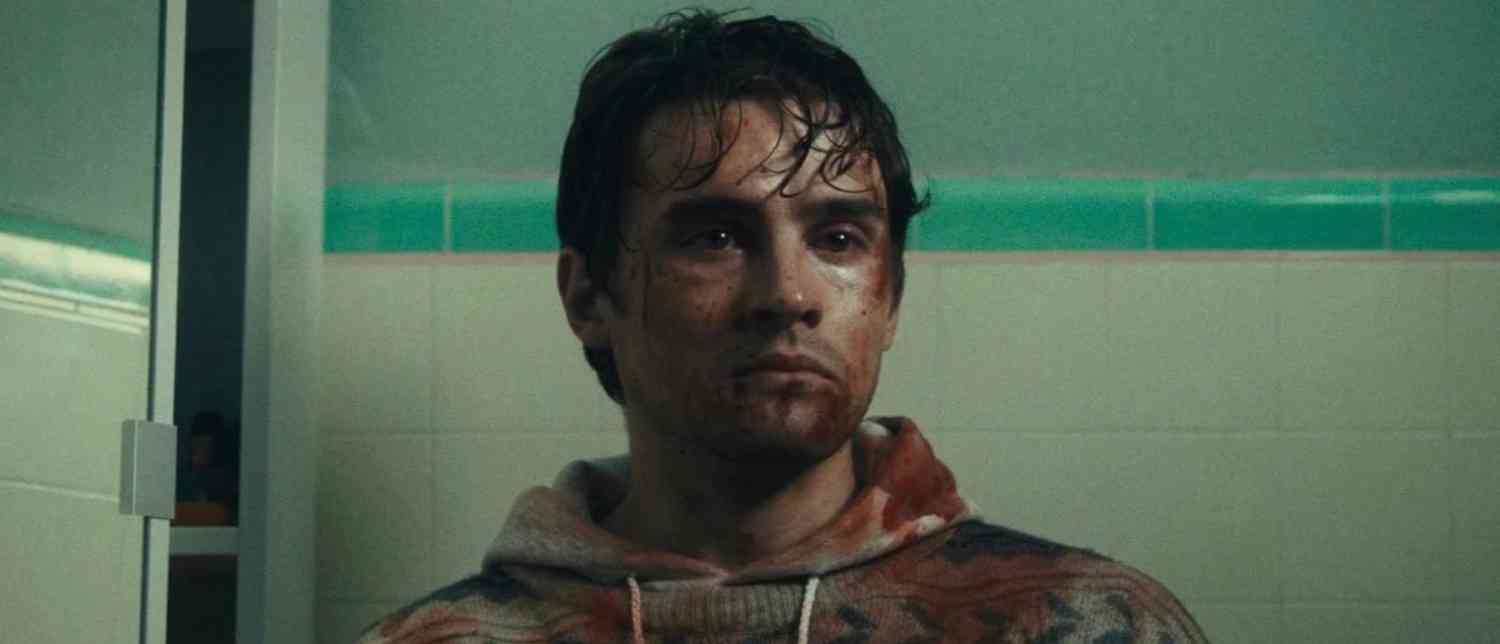
In a year dominated by franchise spectacles and big-budget studio releases, an independent horror film from a first-time filmmaker has emerged as one of cinema’s most unexpected success stories. Writer-director Curry Barker’s psychological horror film Obsession has become a breakout sensation, generating critical acclaim, passionate audience reactions, and widespread discussion about modern relationships, consent, loneliness, and gender dynamics.
What initially appears to be a supernatural horror story about a young man wishing for his crush to love him quickly transforms into something far more unsettling. Critics and audiences alike have praised Obsession for using horror as a lens to examine emotional dependency, romantic entitlement, and the anxieties shaping relationships among Millennials and Gen Z.
A Simple Wish Turns Into a Nightmare
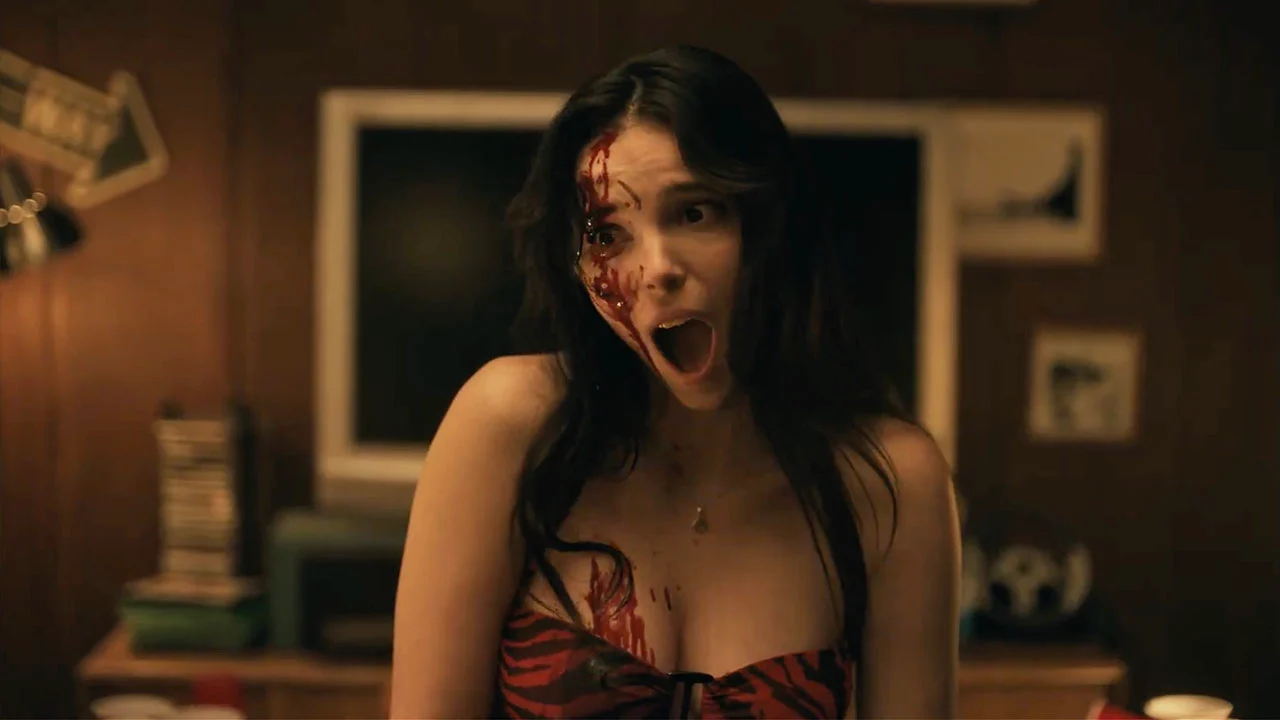
At the center of Obsession is Bear, played by Michael Johnston, a young man deeply infatuated with his longtime friend Nikki, portrayed by Inde Navarrette.
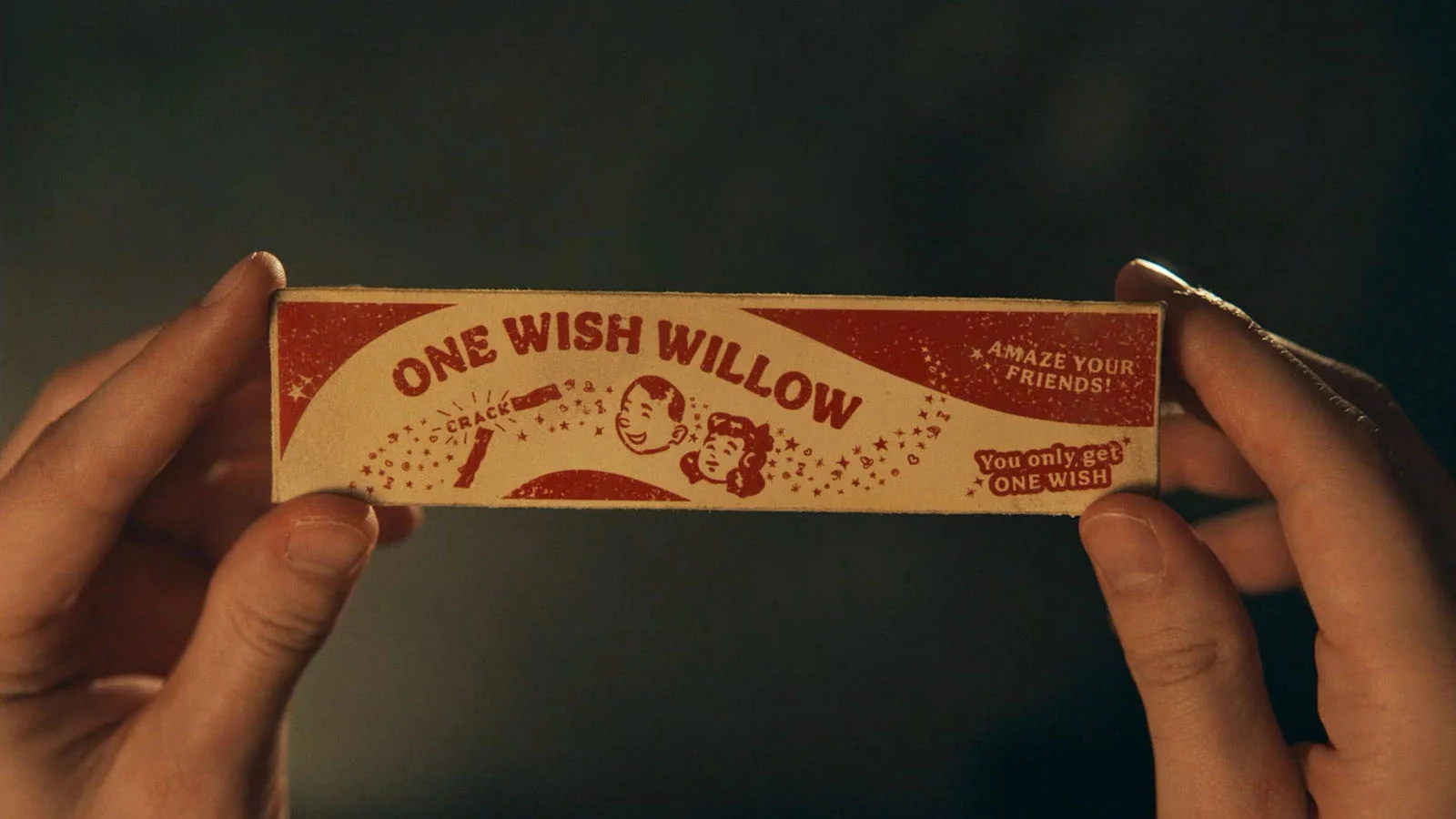
Unable to express his feelings directly, Bear takes a supernatural shortcut. After coming into possession of a mysterious object known as the “One Wish Willow,” he wishes for Nikki to love him. The wish appears to work, but the consequences quickly spiral into terror.
Rather than delivering a straightforward supernatural thriller, Barker uses the premise to explore the darker implications of wanting control over another person’s emotions. As Nikki’s behavior becomes increasingly disturbing and her sense of self appears to erode, the film raises difficult questions about autonomy, desire, and the ethics of wish fulfillment.
The story follows a familiar horror warning — be careful what you wish for — but critics argue that Barker reinvents the trope by grounding it in contemporary relationship dynamics and emotional insecurities.
The Real Monster Is Not Supernatural
One of the strongest themes identified by critics is the film’s exploration of male entitlement.
According to reviews, Obsession examines what happens when romantic desire becomes possessive and self-serving. The horror does not stem solely from supernatural forces but from the belief that affection can be earned, controlled, or deserved simply because someone wants it badly enough.
The film repeatedly focuses on Nikki’s loss of agency. While supernatural forces appear to manipulate her, reviewers note that moments of resistance remain visible throughout the story. She attempts to communicate distress and regain control, yet those around her fail to fully recognize or understand what is happening.
This aspect of the narrative has resonated strongly with critics who see the film as a commentary on broader patriarchal attitudes. Rather than portraying overt violence as the primary threat, Obsession highlights subtler forms of control, emotional manipulation, and the tendency to prioritize male desires over female autonomy.
The result is a horror experience that feels uncomfortably grounded in reality despite its supernatural framework.
A Horror Film Built Around Modern Dating Anxiety
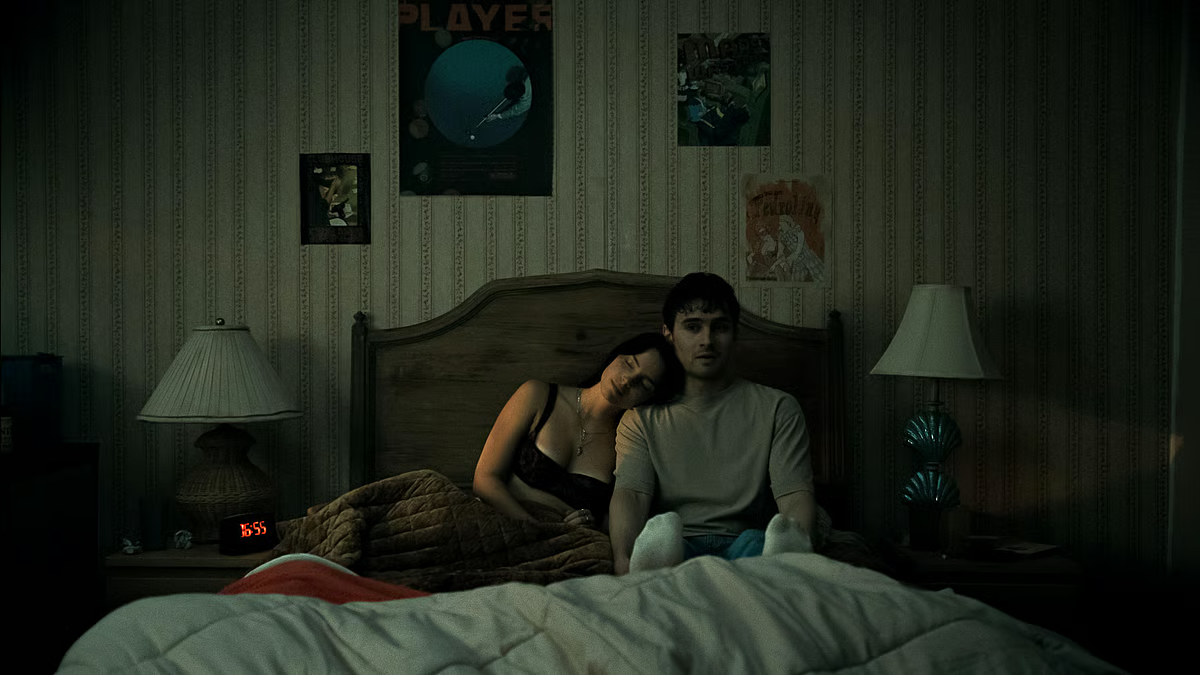
Many reviewers have compared Obsession to earlier relationship thrillers such as Fatal Attraction, arguing that Barker’s film serves a similar cultural purpose for younger generations.
Where Fatal Attraction reflected the fears and relationship tensions of the 1980s, critics suggest that Obsession captures the uncertainties facing Millennials and Gen Z today.
The film explores fears surrounding rejection, emotional vulnerability, loneliness, and the increasingly complex nature of modern dating. It addresses the anxiety some men feel about being “friend-zoned,” while simultaneously examining the concerns many women experience when navigating relationships where friendship and romantic expectations become blurred.
The story also taps into broader generational frustrations. Characters grapple with stagnant careers, small-town routines, emotional isolation, and the feeling of being trapped in lives that are not progressing as hoped.
These themes have helped explain why younger audiences have responded so intensely to the film. Several critics observed that screenings populated largely by Gen Z and Millennial viewers generated visibly stronger reactions, including screams, discomfort, and emotional engagement.
For many viewers, the horror feels personal because it reflects fears that already exist beneath the surface of everyday relationships.
Horror, Tragedy and Dark Comedy
While Obsession delivers numerous scares, critics have emphasized that the film functions as more than a conventional horror movie.
Many describe it as a tragedy.
Bear is portrayed not as a traditional villain but as a deeply flawed character whose inability to confront his emotions honestly sets the entire catastrophe in motion. His tragic flaw is cowardice. Instead of communicating openly, he chooses a path that ultimately causes suffering for himself and those around him.
Reviewers have praised Barker’s ability to balance genuine horror with moments of dark humor. The film frequently shifts between tension, absurdity, discomfort, and emotional devastation, creating an unpredictable viewing experience.
The screenplay’s tonal flexibility has been cited as one of its greatest strengths. Just as audiences prepare for something terrifying, the film often interrupts the tension with humor before plunging back into dread.
This blend of psychological horror, dark comedy, and emotional tragedy has become a defining characteristic of Barker’s filmmaking style.
The Performance Driving the Film’s Success
A recurring point of praise across reviews is the performance of Inde Navarrette.
Critics have highlighted her portrayal of Nikki as one of the film’s most powerful elements, describing the character as simultaneously vulnerable, terrifying, heartbreaking, and deeply human.
Navarrette’s performance requires her to move between affection, fear, confusion, torment, and menace, often within the same scene. Reviewers argue that these emotional shifts make Nikki’s gradual loss of autonomy particularly disturbing.
Michael Johnston has also earned recognition for portraying Bear as a character whose loneliness and desperation remain understandable even when his decisions become increasingly destructive.
Together, the two performances help elevate the film beyond its supernatural premise, giving emotional weight to the horror.
From YouTube Creator to Breakout Filmmaker
Part of the fascination surrounding Obsession comes from Barker’s unconventional journey to filmmaking.
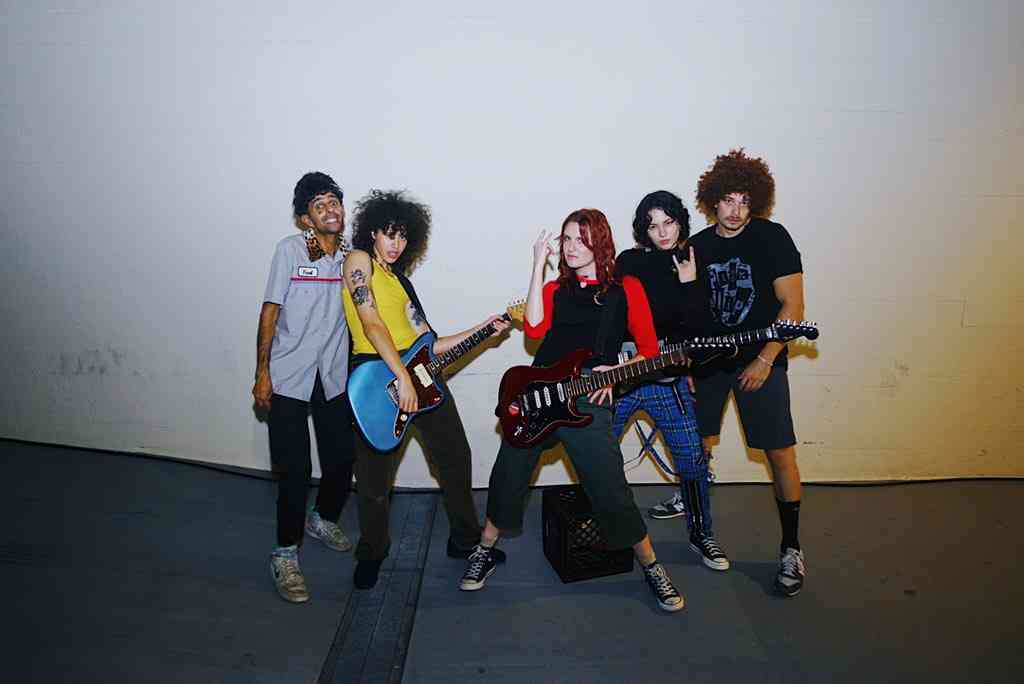
Before entering the feature-film world, Barker built a substantial online following through his YouTube comedy channel “That’s A Bad Idea,” created alongside collaborator and actor Cooper Tomlinson.
His earlier projects, including Milk & Serial and the short film The Chair, gained attention online for their blend of dark comedy, horror, and striking visual storytelling.
That digital background is evident in Obsession. Critics have noted Barker’s confidence in handling tone, suspense, and audience expectations despite being a relatively new filmmaker.
The film premiered in the prestigious Midnight Madness section of the Toronto International Film Festival, where it quickly generated buzz among horror fans and industry observers.
Following its festival run, the movie secured a major theatrical release and rapidly transformed from a promising indie horror title into a genuine cultural phenomenon.
A Box Office Miracle
The film’s commercial performance has become almost as notable as its critical reception.
Produced on a budget reportedly under $1 million, Obsession has dramatically exceeded expectations. Industry reports indicate that the film earned tens of millions of dollars worldwide within weeks of release, making it one of the most profitable horror films of the year.
Its success demonstrates the growing power of independent filmmaking and the influence of creators who build audiences online before transitioning into traditional cinema.
At a time when studios often rely heavily on established intellectual property, Obsession has shown that original horror stories can still generate excitement, conversation, and substantial box office returns.
Why ‘Obsession’ Has Become a Cultural Talking Point
What ultimately separates Obsession from many contemporary horror films is its willingness to engage with uncomfortable emotional realities.
The supernatural elements provide scares, but the film’s lasting impact comes from its examination of control, loneliness, romantic fantasy, and the consequences of treating another person as an object of desire rather than an individual with agency.
Critics have described it as a mirror reflecting modern relationship anxieties back at audiences. Some see it as a commentary on toxic masculinity. Others interpret it as a tragedy about isolation and emotional immaturity. Many view it as a cautionary tale about the dangers of confusing love with possession.
Whatever interpretation viewers bring to it, Obsession has clearly struck a nerve.
For younger audiences especially, the film captures fears that feel uniquely contemporary while packaging them inside a gripping horror narrative. In doing so, Curry Barker has delivered not only one of the year’s most talked-about horror movies, but also one of its most revealing explorations of modern relationships.
As conversations around the film continue to grow, Obsession appears poised to become more than a successful horror release. It may ultimately be remembered as a defining cultural snapshot of how a generation thinks about love, loneliness, consent, and connection in the digital age.
With inputs from agencies
Image Source: Multiple agencies
© Copyright 2026. All Rights Reserved. Powered by Vygr Media.